|
FETAL HICCUPS |
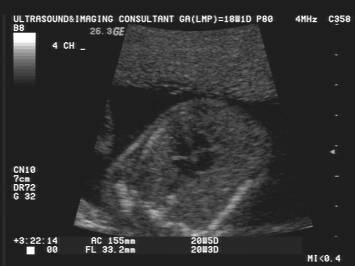
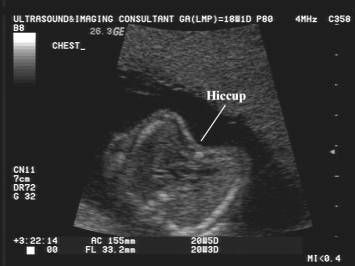
Hiccups are involuntary contractions of the diaphragm. An irritation of the nerves that control the respiratory muscles, especially the diaphragm, precipitate hiccups. Excess swallowing of air, swallowing hot or spicy substances or indigestion, may stimulate these nerves. A fetus in utero may even have hiccups. The characteristic sound results from the sudden closure of the glottis (opening between the vocal cords). Episodes of hiccups are usually harmless and self-limiting.
Fetal hiccups usually occur at intervals of two or three
seconds, although it is amniotic fluid rather than air, which enters and leaves
the lungs
Why do we hiccup? The short answer is that no one knows. One theory suggests that hiccups have a function during fetal development and that the adult version is just a residual reflex left over from that time.
Premature infants are thought to spend 2.5% of their time hiccupping. Fetal hiccups, which is obviously not due to inspiration of air is thought to exercise the inspiratory muscles that it will need immediately after birth in order to breathe air. In other words, hiccups may allow the fetus to practice vital ‘breathing’ motions while protecting it from inhaling amniotic fluid.
Physiological hiccupping has been associated with eating too much, or drinking carbonated beverages. The theory behind this is that distension of the stomach may irritate the diaphragm and cause it to go into a spasm. However, no one factor has been shown to stimulate hiccups in everyone.
|
|
|
|
|
|
|
|